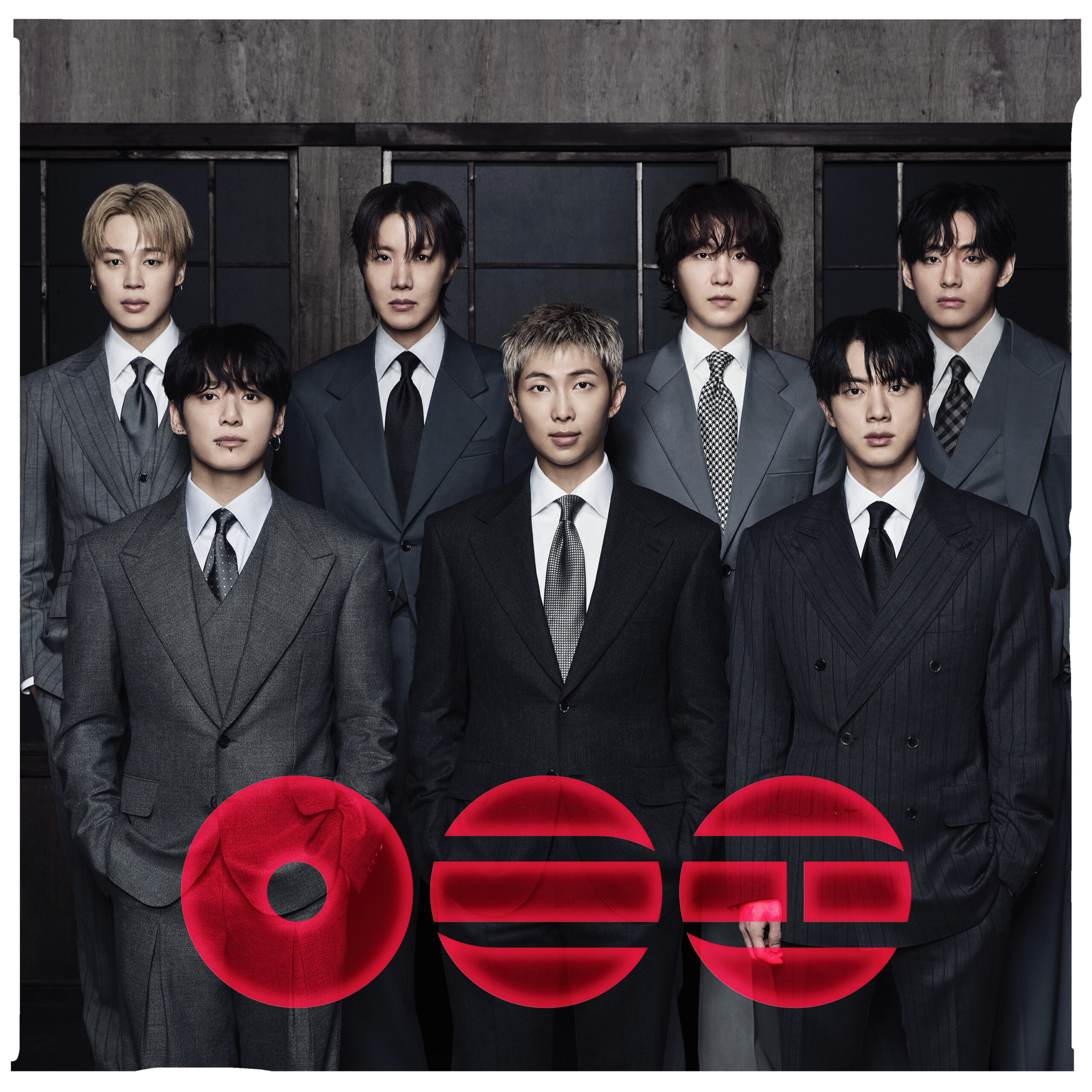
Overview
This passage from BTS’s Arirang 2.0 is a compressed, razor-sharp statement of identity. In just five lines, the group addresses the cost of their journey, the industry’s tendency to reduce their story to a simple narrative, and the specific Korean cultural weight of being dismissed before you’ve even begun. This analysis covers full pronunciation, line-by-line English translation, and in-depth cultural commentary — including the widely debated 뜀틀 metaphor and the Joseon-era idiom 어림 반 푼어치.
Full Lyrics — Pronunciation & Line-by-Line Translation
그래 방탄처럼 그게 말은 쉽지
Pronunciation: geu-rae bang-tan-cheo-reom / geu-ge mal-eun swip-ji
Translation: “Yeah, just like Bangtan — that’s easy to say.”
BTS opens with deliberate irony. People casually invoke their name as a benchmark for success — “just work hard like BTS” — without any understanding of what it actually cost. “말은 쉽지” (easy to say) is a gentle but pointed corrective to the habit of reducing their story to a tidy motivational slogan.
우린 뜀틀 누가 맨날 뛰어넘니
Pronunciation: u-rin ttwimt-teul / nu-ga maen-nal ttwi-eo-neom-ni
Translation (Reading A): “We are the vaulting horse — and who do you think keeps clearing it every single day?”
Translation (Reading B): “We’ve become a vaulting horse — and who exactly keeps trying to leap over us every day?”
This is the most debated line in the passage. Two valid readings exist, and the ambiguity is almost certainly intentional. See the full analysis below.
웃기기는 한데 사실 안 웃기지
Pronunciation: ut-gi-gi-neun han-de / sa-sil an ut-gi-ji
Translation: “It’s funny, sure — but honestly, it’s not funny at all.”
Emotionally the most layered line. The structure — “it’s funny, but it’s not funny” — is a recognizable Korean rhetorical pattern for expressing feelings too complex to land cleanly on one side. Humor and grief are not opposites in Korean emotional expression; they often share the same moment. This duality echoes 한 (han) — the uniquely Korean emotional register that blends sorrow, endurance, and wry acceptance. BTS isn’t performing self-pity here; they’re acknowledging that the absurdity of their journey was real, and so was the pain.
10년은 말야 어림 반 푼어치
Pronunciation: sip-nyeon-eun mal-ya / eo-rim ban pu-neo-chi
Translation: “Ten years? Don’t even think about it — not even half a penny’s worth of a guess.”
Deep Dive: 어림 반 푼어치 — A Joseon-Era Idiom
This expression is one of the most culturally rich in the entire lyric. To understand it fully, you need a brief detour into Korean monetary history.
푼 (文) was the smallest unit of currency during the Joseon dynasty (1392–1897) and into Korea’s early modern era. A single pun was worth so little — barely enough to buy a handful of grain — that it was considered essentially negligible in everyday transactions. 반 푼 (half a pun) takes that already-minimal value and halves it again, arriving at something that is, for all practical purposes, worthless.
어림 means a rough estimate or ballpark guess.
Put together: 어림 반 푼어치 means your estimate isn’t even worth half a penny in rough approximation — it is so far off reality that it doesn’t merit polite correction. The phrase is still used in everyday Korean speech today — “그거 어림 반 푼어치도 안 돼” (that’s not even in the ballpark) — but it carries the weight of centuries-old economic language, giving it a timeless, almost proverb-like quality.
In context, BTS is saying that framing their journey as “ten years of hard work” is such a catastrophic understatement it earns this archaic dismissal. The choice of this particular idiom is also thematically deliberate: 아리랑 (Arirang) is Korea’s most iconic folk tradition, and reaching for Joseon-era language inside a song bearing that title creates a quiet but powerful cultural continuity.
Stop, ride
Pronunciation: seut-top, raid
Translation: “Stop. Then ride.”
A sudden pivot after the weight of the previous lines. The command structure is abrupt by design — halt the doubt, acknowledge the absurdity, then keep moving. It functions almost like a reset breath: everything that came before was the exhale; this is the inhale before the next verse.
The 뜀틀 Debate — Two Readings Explained
Reading A — BTS as the ones who leap
“We are the vaulting horse — and who do you think keeps clearing it every single day?”
BTS themselves are the ones leaping over every obstacle placed in front of them. The 뜀틀 represents every industry barrier, critical dismissal, or social expectation — cleared not once heroically, but daily, without fanfare. 맨날 (every single day, colloquial and emphatic) strips the achievement of glamour and replaces it with grind.
Reading B — BTS as the stepping stone ★ Fan community preferred
“We’ve become a vaulting horse — and who exactly keeps trying to leap over us every day?”
In Korean hip-hop and fan communities, 뜀틀 is widely read as a stepping stone — something others attempt to exploit or climb over on their way up. “우린 뜀틀” is a direct equation (we = vaulting horse), not a description of action. The line becomes a sharp rhetorical question loaded with defiance: people keep trying to use us as a launchpad — but do they really think that’s going to work?
This carries the frustration of being instrumentalized — treated not as artists in their own right, but as a platform for others to step on and surpass. It’s a recurring theme in BTS’s early discography and their critiques of the idol industry structure.
Why both readings coexist
Korean syntax doesn’t force the subject of 뛰어넘니 (who leaps over) to be external. “우린 뜀틀” declares BTS = vaulting horse without specifying who does the jumping. The line holds both the defiant achiever and the reluctant stepping stone in the same breath — and that tension is arguably the point.
Reading B carries the stronger cultural weight. Reading A, while valid as a first instinct, misses the self-aware bitterness that gives the line its edge.
Key Vocabulary
| Korean | Romanization | Meaning |
|---|---|---|
| 뜀틀 | ttwimt-teul | Vaulting horse / gymnastics vault box |
| 맨날 | maen-nal | Every single day (colloquial, emphatic) |
| 뛰어넘니 | ttwi-eo-neom-ni | To leap over / to surpass |
| 어림 | eo-rim | Rough estimate / ballpark guess |
| 반 푼 | ban pun | Half a pun (Joseon-era coin, smallest denomination) |
| 어림 반 푼어치 | eo-rim ban pu-neo-chi | Not even half a penny’s worth (idiom) |
| 한 (恨) | han | Korean emotional concept: sorrow, endurance, wry acceptance |
Full Passage in Context
그래 방탄처럼 그게 말은 쉽지 우린 뜀틀 누가 맨날 뛰어넘니 웃기기는 한데 사실 안 웃기지 10년은 말야 어림 반 푼어치 Stop, ride
Read together, these five lines form a complete emotional arc: irony → defiance → bittersweet acknowledgment → archaic dismissal → reset. The sequence moves from the external (what people say about BTS) to the internal (what it actually felt like), closing with a two-word command that refuses to let the weight of it all become paralysis.
Source: BTS (방탄소년단) — 아리랑 (Arirang) 2.0 Cultural notes reflect Joseon-era Korean monetary history, Korean hip-hop community interpretation, and contemporary Korean idiomatic usage.