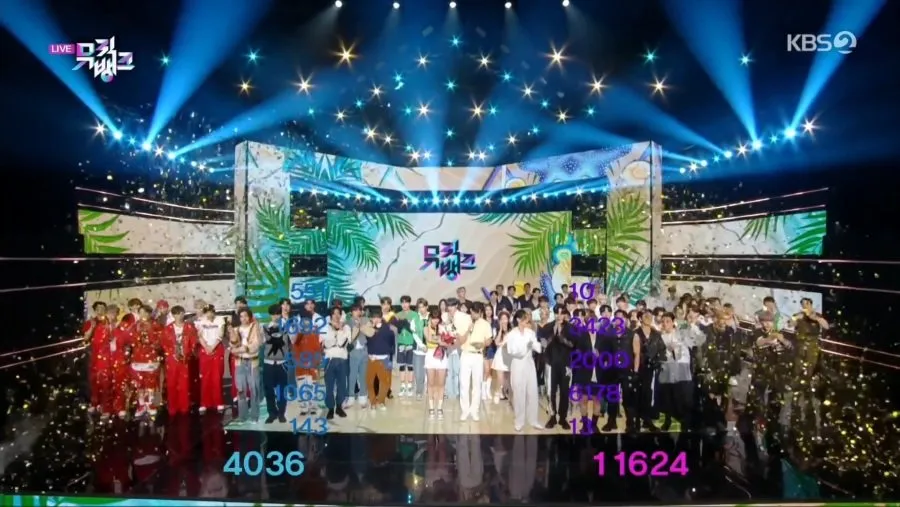
If you’ve ever watched a K-Pop music video and then stumbled upon a clip of the same song performed live on a brightly lit stage — with screaming fans, elaborate costumes, and a countdown timer — you’ve just witnessed one of the most unique rituals in modern pop culture: the Korean music show.
For international fans, it can be confusing at first. Why do groups perform the same song every week? Why does “winning” matter so much? And what on earth is a “triple crown”?
Let’s break it all down.
🎬 What Are Korean Music Shows?
Korean music shows are weekly live performance programs broadcast on national TV. Unlike Western music shows that focus on interviews or one-off performances, Korean music shows are dedicated entirely to idol performances — back to back, every single week.
The major shows are:
Inkigayo (SBS) — Sundays. One of the most prestigious. Known for dramatic winner announcements.
Music Bank (KBS2) — Fridays. The oldest and most traditional. Winning here carries serious weight.
Show! Music Core (MBC) — Saturdays. Known for high production value stages.
M Countdown (Mnet) — Thursdays. Cable channel, but hugely influential. Known for cutting-edge stage design.
The Show and Show Champion — Smaller cable shows, but important for newer groups trying to get their first win.
🏆 How Does Winning Work?
This is where it gets interesting — and where fans go absolutely feral.
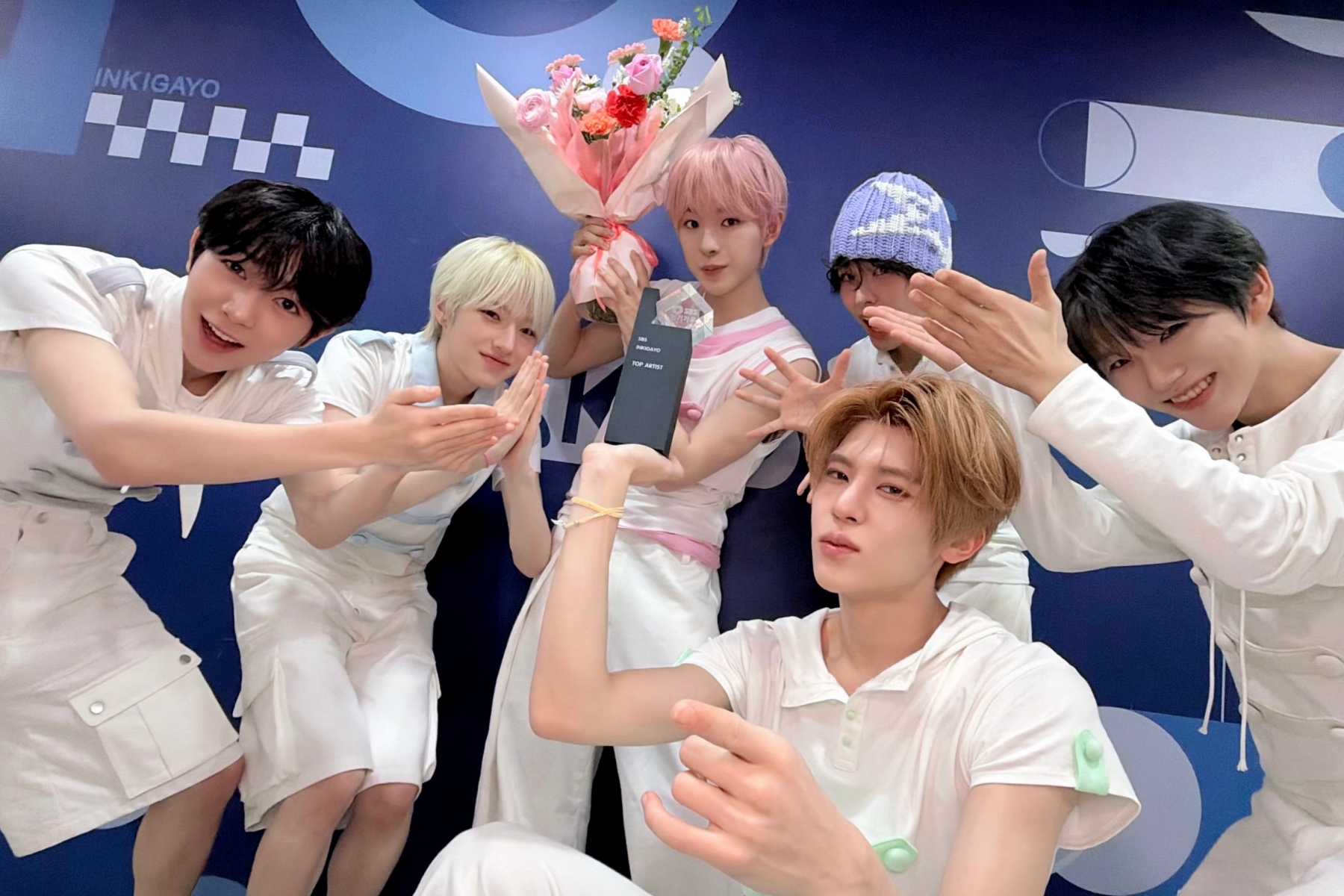
Each show has its own scoring system, but most combine a mix of digital sales, physical album sales, broadcast points, fan votes, and social media mentions. The group with the highest combined score at the end of the week wins the episode.
Winning isn’t just symbolic. It means:
A live trophy presentation on stage. The winning artist performs their song again as the “encore.” Fans in the audience scream, cry, and lose all composure. The idol often cries too. It’s a whole thing.
🎖️ What Is a “Triple Crown”?
A triple crown means winning the same song three times on the same show. It’s considered a major milestone — proof that a song has genuine staying power, not just a first-week surge.
Some fans spend entire comebacks tracking points obsessively, streaming songs at 3am, buying albums just to boost chart numbers. All for that trophy moment.
📹 The Rise of the Fancam
Music shows also gave birth to one of K-Pop’s most beloved formats: the fancam (직캠).
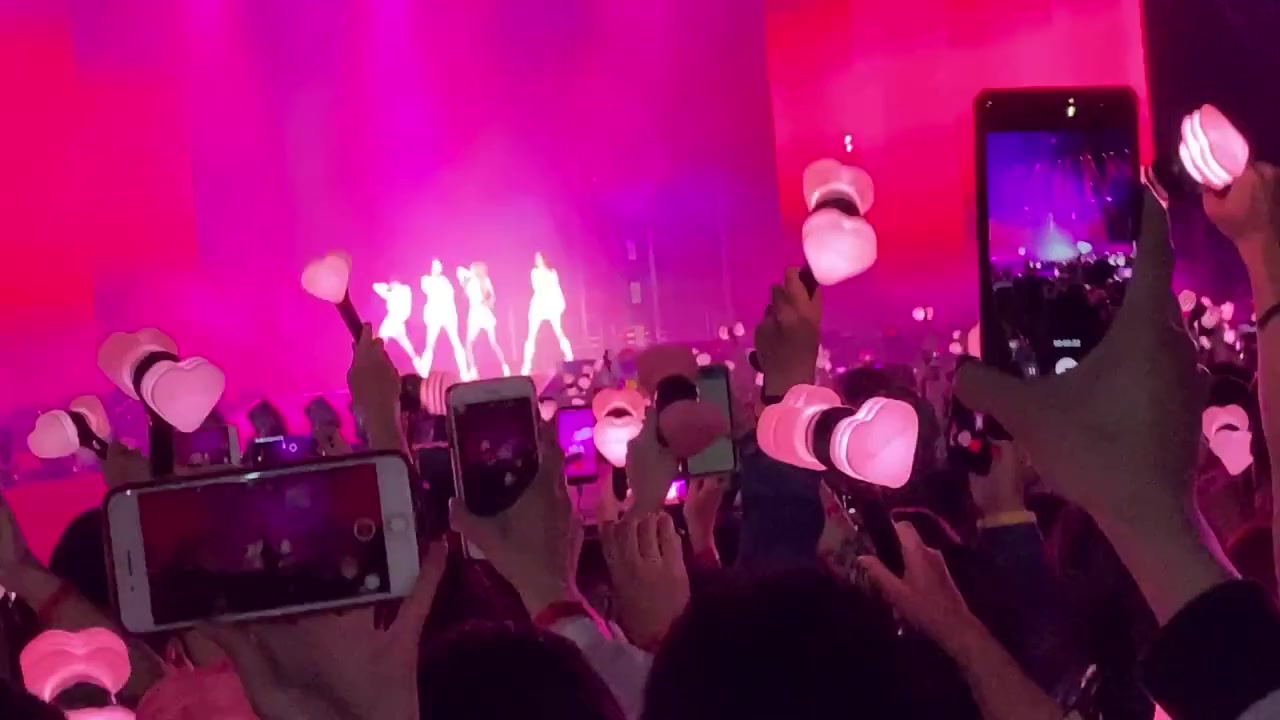
Each show has camera crews that follow individual members during group performances, creating solo cut videos. These fancams get uploaded to YouTube immediately after broadcast — and fans use them to debate who had the best stage presence, whose outfit was the most iconic, or who “ate” the performance.
A viral fancam can make a relatively unknown idol suddenly famous overnight.
🌍 Why Do International Fans Care So Much?
Music show wins are one of the few measurable, public victories in K-Pop. In a world where chart systems vary by country and streaming numbers are abstract, a trophy on live TV feels real and tangible.
For fans, voting and streaming for music show wins is an act of love — a way to say we showed up for you in the most visible way possible.
And when their favorite idol finally wins — especially for the first time — the reaction is always the same: pure, unfiltered joy.
That’s the magic of Korean music shows. Once you understand them, you’ll never watch a K-Pop performance the same way again.
🔗 Related:
- Who Are BTS? → new-kpop.org/who-are-bts
- Who Are BLACKPINK? → new-kpop.org/who-are-blackpink